Tooth Extraction Aftercare: A Simple Guide for Smooth Healing

Why Aftercare Is Important?
Once a tooth is removed, your body forms a blood clot at that spot. This is a natural part of healing.
That clot protects the underlying bone and nerves, and helps new tissue form. If it gets disturbed too early, it can lead to a painful condition called dry socket, which can slow down recovery.
So the focus, especially in the first 24–48 hours, is simple — protect that clot.
What to Do Right After Extraction
For the first half hour, keep the cotton pack placed by your dentist in position and bite down gently but firmly. This helps control bleeding and allows the clot to form properly.
It’s also important to avoid spitting. Instead, just swallow normally. Spitting, even a few times, can disturb the clot and restart bleeding.
If you feel some swelling or discomfort later, placing a cold pack on the outside of your cheek for short intervals can help keep it under control.
Eating After Tooth Removal
Stick to soft, easy-to-eat foods for the first couple of days. Foods like curd, dal, khichdi, or mashed rice are usually comfortable.
Try to avoid anything very hot, spicy, or hard. Eating slowly and carefully helps prevent irritation to the area.
Medications
If your dentist has prescribed medications, take them as advised and complete the course. Skipping doses or stopping early can affect healing and increase the risk of infection
What to Avoid
There are a few things best avoided in the initial phase:
Using a straw, rinsing forcefully, or touching the area with your fingers or tongue can disturb the clot.
Habits like smoking or consuming alcohol can also slow down healing and increase the chances of complications, so it’s best to avoid them for a few days.
Oral Hygiene
From the next day, you can start brushing gently, keeping away from the extraction site initially.
Warm salt water rinses a few times a day can help keep the area clean and support healing.
If You Have Stitches
If stitches were placed, a follow-up visit is usually advised after about a week. This allows us to check healing and remove the stitches if needed.
When to Reach Out to Your Dentist
While mild discomfort is normal, you should contact your dentist if you notice:
increasing pain
persistent bleeding
swelling that gets worse
any unusual taste or discharge
Early attention can prevent bigger issues.
Final Thought
Healing after a tooth extraction is usually straightforward when the basics are followed.
Taking a little care in the first couple of days can make the entire recovery much smoother.
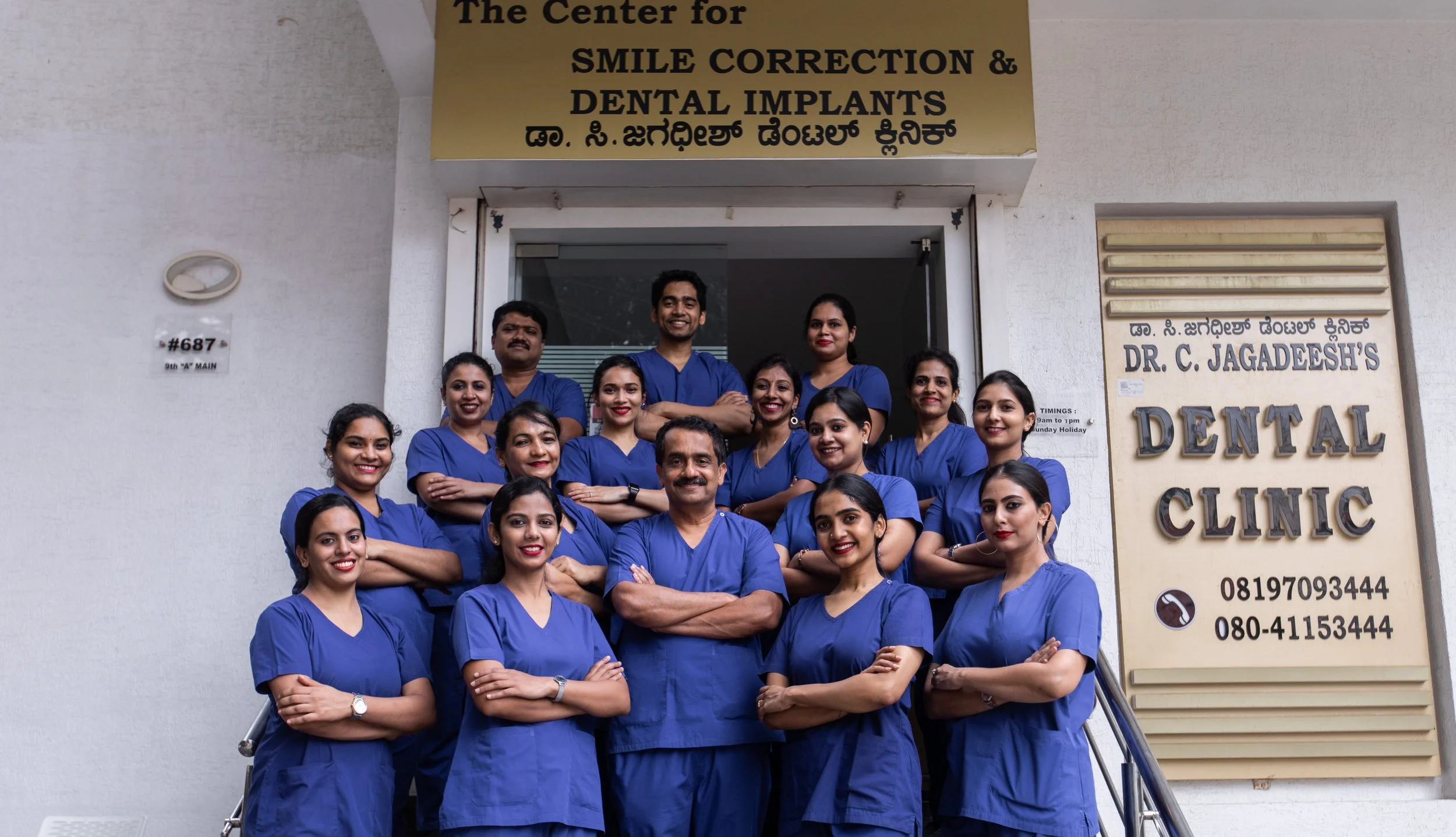
Need Help After a Tooth Extraction?
If you have any concerns after your procedure or need guidance, feel free to reach out.
Dr. C Jagadeesh Dental Clinic
Indiranagar, BangaloreCall or WhatsApp: 8197093444
You can also message us on Instagram at @drcjagadeeshdentalclinic