Periodontitis
Periodontitis is a serious gum infection that damages the tissues and bone supporting your teeth.
It often begins as mild gum inflammation (gingivitis), which is reversible. However, when untreated, it progresses to periodontitis leading to bone loss, gum recession, and even tooth loss.
If you are experiencing symptoms like bleeding gums or bad breath, it may be time to consult a gum specialist near you.
Why Periodontitis is Common in India?
Due to lack of awareness and delayed dental visits, gum disease is one of the most common oral health problems.
Most patients ignore early signs until the condition becomes severe by making treatment more complex.
Symptoms of Periodontitis
Watch out for these early warning signs:
Bleeding gums while brushing
Swollen or red gums
Persistent bad breath
Loose teeth
Pain while chewing
Receding gums (teeth look longer)
Pus discharge near gums
Gaps forming between teeth
Early detection can help prevent permanent damage.
Causes of Gum Disease
The primary cause of periodontitis is plaque buildup due to poor oral hygiene.
Plaque is a bacterial layer that:
Hardens into tartar
Spreads below the gum line
Damages supporting tissues and bone
Without timely treatment, this leads to infection and tooth mobility.
Risk Factors You Should Know
You may be at higher risk if you have:
Smoking or tobacco habits
Diabetes
Hormonal changes (pregnancy, PCOS, etc.)
Poor nutrition
Dry mouth (due to medications)
Family history of gum disease
Autoimmune conditions
How is Periodontitis Diagnosed?
At our dental clinic, diagnosis includes:
Clinical examination of gums
Measuring gum pockets
Checking bleeding and inflammation
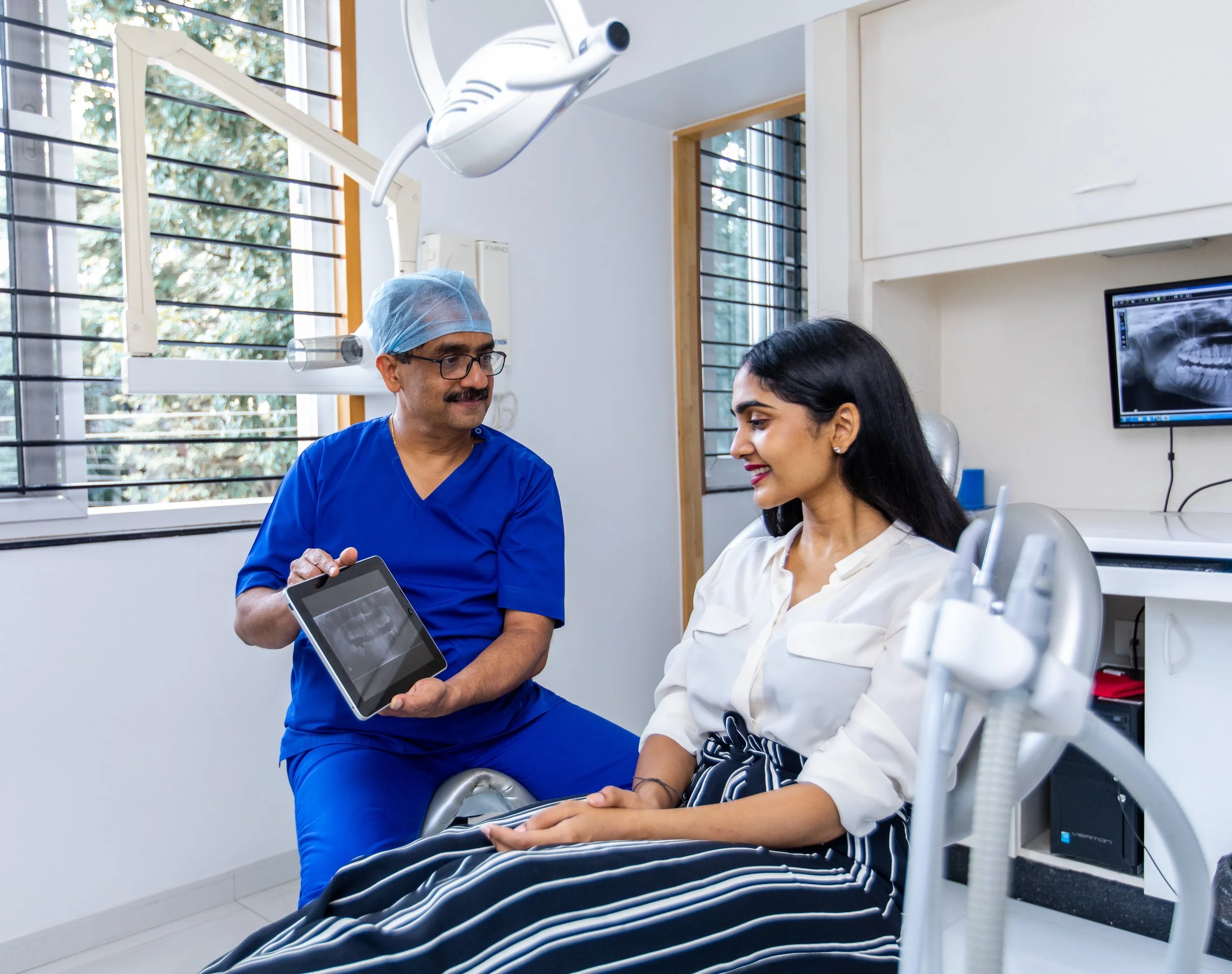
Dental X-rays to assess bone loss
Early diagnosis allows for simpler and more effective treatment.
Periodontitis Treatment Options
Treatment depends on the stage of the disease.
Non-Surgical Treatments
Scaling (Professional Cleaning)
Removes plaque and tartar from teeth and gums.Root Planing (Deep Cleaning)
Smoothens root surfaces and removes infected tissue.Laser Disinfection
Eliminates bacteria from deep gum pockets.
Surgical Treatment (Advanced Cases)
Flap Surgery
Used when infection is severe. The gums are lifted to clean deep areas and reshape bone if needed.
This helps restore a healthy environment for your teeth.
How to Prevent Gum Disease
Preventing periodontitis is easier than treating it.
Follow these simple steps:
Brush twice daily with a soft brush
Floss or use interdental cleaners
Use an antibacterial mouthwash
Visit your dentist every 6 months
Avoid smoking and tobacco
Regular dental visits are key to long-term oral health.
When Should You See a Dentist?
If you notice:
Bleeding gums
Bad breath
Tooth sensitivity
Loose teeth
Don’t wait.
Early treatment can save your teeth and reduce treatment cost.
Final Thoughts
Periodontitis cannot always be reversed, but it can be controlled and managed effectively.
The sooner you act, the better the outcome.
Need Help After a Tooth Extraction?
If you have any concerns after your procedure or need guidance, feel free to reach out.
Dr. C Jagadeesh Dental Clinic
Indiranagar, BangaloreCall or WhatsApp: 8197093444
You can also message us on Instagram at @drcjagadeeshdentalclinic