What Happens If You Don’t Wear Your Retainers?
Congratulations! You’ve completed your braces or aligner treatment and finally achieved the smile you’ve always wanted. But before you celebrate the end of your orthodontic journey, there’s one important thing to remember:
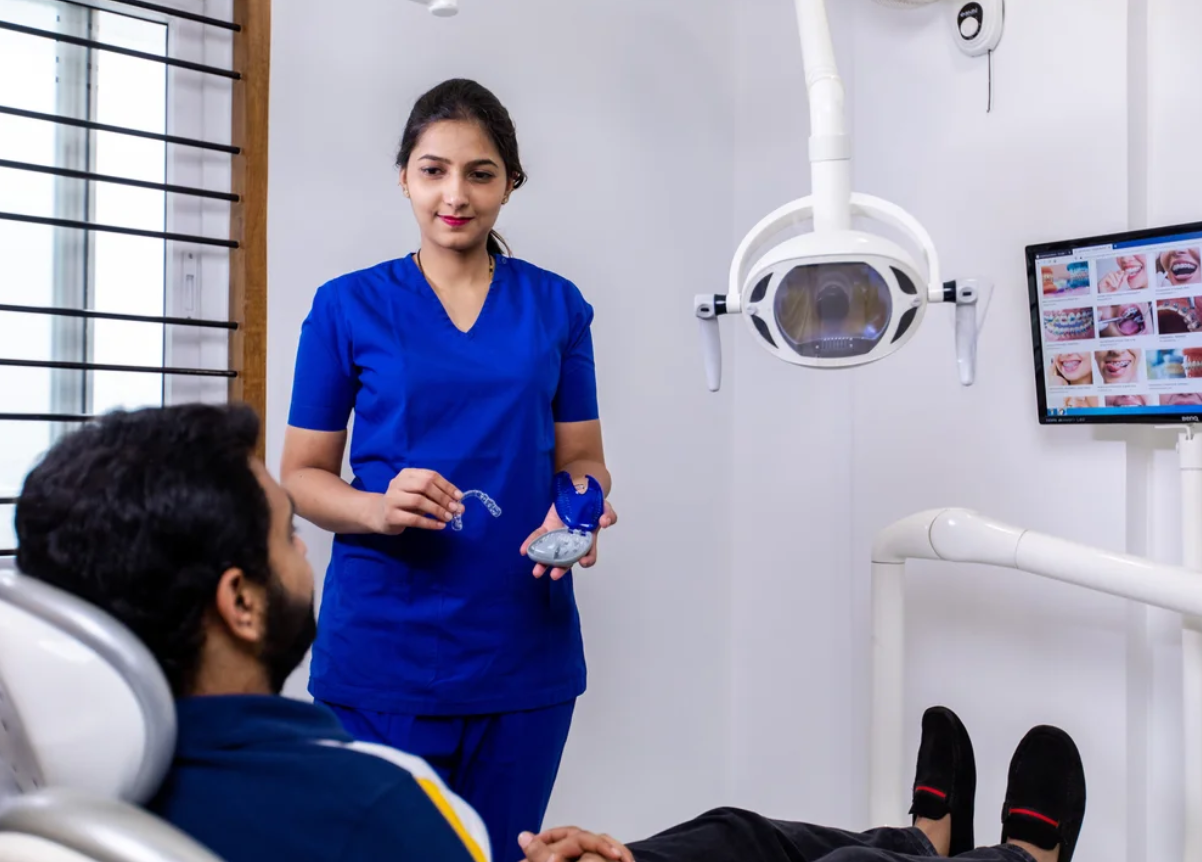
Your treatment isn’t truly complete without wearing your retainers.
Many patients assume that once braces come off or aligner treatment ends, their teeth will stay perfectly straight forever. Unfortunately, that’s not how teeth work. Without retainers, teeth have a natural tendency to move back toward their original positions.
Let’s explore why retainers are so important and what can happen if you stop wearing them.
Why Do Teeth Move After Braces?
During orthodontic treatment, teeth are gradually moved through the bone into their new positions. However, the surrounding gums, bone, and ligaments need time to adapt to these changes.
Even after treatment is complete:
The bone around the teeth is still remodeling.
The gum fibers retain a “memory” of the old tooth positions.
Everyday chewing forces can influence tooth movement.
Natural aging can cause changes in tooth alignment.
Retainers help hold your teeth in place while these tissues stabilize.
What Is Orthodontic Relapse?
Orthodontic relapse occurs when teeth begin moving back toward their original positions after braces or aligners.
Relapse can happen:
Within weeks of stopping retainer wear
Within months after treatment
Even years later if retainers are not worn as advised
The severity varies from person to person, but once teeth move significantly, additional orthodontic treatment may be required.
What Happens If You Stop Wearing Your Retainers?
Teeth May Become Crooked Again
One of the earliest signs of relapse is mild crowding, especially in the lower front teeth.
You may notice:
Teeth overlapping
Small gaps closing or reopening
Changes in smile appearance
Even slight movement can become noticeable over time.
Gaps Can Reappear
If your orthodontic treatment was performed to close spaces between teeth, those gaps can slowly return when retainers are not worn consistently.
Bite Problems May Return
Your orthodontist carefully adjusted how your upper and lower teeth fit together.
Without retainers:
Bite relationships can change
Chewing may become less comfortable
Certain teeth may experience increased wear
Retainers May No Longer Fit
If teeth begin shifting, your retainer may feel tight or stop fitting altogether.
This is often one of the first warning signs that movement has already occurred.
Never force a retainer that no longer fits properly. Contact your orthodontist for evaluation.
You May Need Braces or Aligners Again
Unfortunately, significant relapse often cannot be corrected with retainers alone.
Patients who stop wearing retainers may require:
New retainers
Orthodontic correction with aligners
Partial or full braces treatment
This can result in additional time, expense, and inconvenience.
How Long Do You Need to Wear Retainers?
One of the most common questions patients ask is:
“How long do I need to wear my retainers?”
The simple answer is:
For as long as you want your teeth to remain straight.
Most orthodontists recommend:
Immediately After Treatment
Full-time wear as instructed
Usually 20–22 hours per day
Long-Term Maintenance
Night-time wear
Consistent lifelong retention
Teeth continue to move naturally throughout life, which is why retainers remain important even years after treatment.
Tips for Successful Retainer Wear
Make It Part of Your Routine
Wear your retainers at the same time every day and night.
Keep Them Clean
Clean retainers regularly using a soft brush and lukewarm water.
Store Them Safely
Always keep retainers in their protective case when not in use.
Replace Damaged Retainers Promptly
Cracked, loose, or broken retainers may not hold teeth effectively.
Attend Follow-Up Visits
Regular orthodontic reviews help identify any early signs of relapse.
The Cost of Not Wearing Retainers
Skipping retainer wear may seem harmless, but it can ultimately lead to:
Tooth movement
Relapse of treatment results
Additional orthodontic procedures
New retainers
Increased treatment costs
Compared to repeating orthodontic treatment, wearing a retainer for a few hours each day is a small commitment that protects your investment and smile.
Final Thoughts
Braces and aligners move your teeth into beautiful positions, but retainers are what keep them there. Orthodontic treatment is a significant investment of time, effort, and money. Wearing your retainers consistently is the best way to preserve the results you’ve worked so hard to achieve.
Children continue to grow until their early twenties. As the jaws develop, teeth can naturally shift over time. Wearing retainers regularly helps maintain the results of orthodontic treatment, and in some cases, minor refinements may be needed as growth is completed
Remember: Braces create the smile. Retainers protect it.
If your retainer is lost, damaged, or no longer fits properly, don’t wait for your teeth to shift further. Schedule an appointment with your orthodontist as soon as possible.
At Dr. C. Jagadeesh Dental Clinic, we help patients maintain their orthodontic results through personalized retention plans, retainer replacements, and long-term smile monitoring