The Truth About Bottle Feeding and Tooth Decay
As parents, we want to ensure our children are healthy, happy, and well-nourished. Feeding a baby with a bottle is often convenient and comforting, especially during bedtime. However, many parents are unaware that certain bottle-feeding habits can significantly increase the risk of tooth decay in young children.
Understanding the connection between bottle feeding and tooth decay can help protect your child’s smile from an early age.
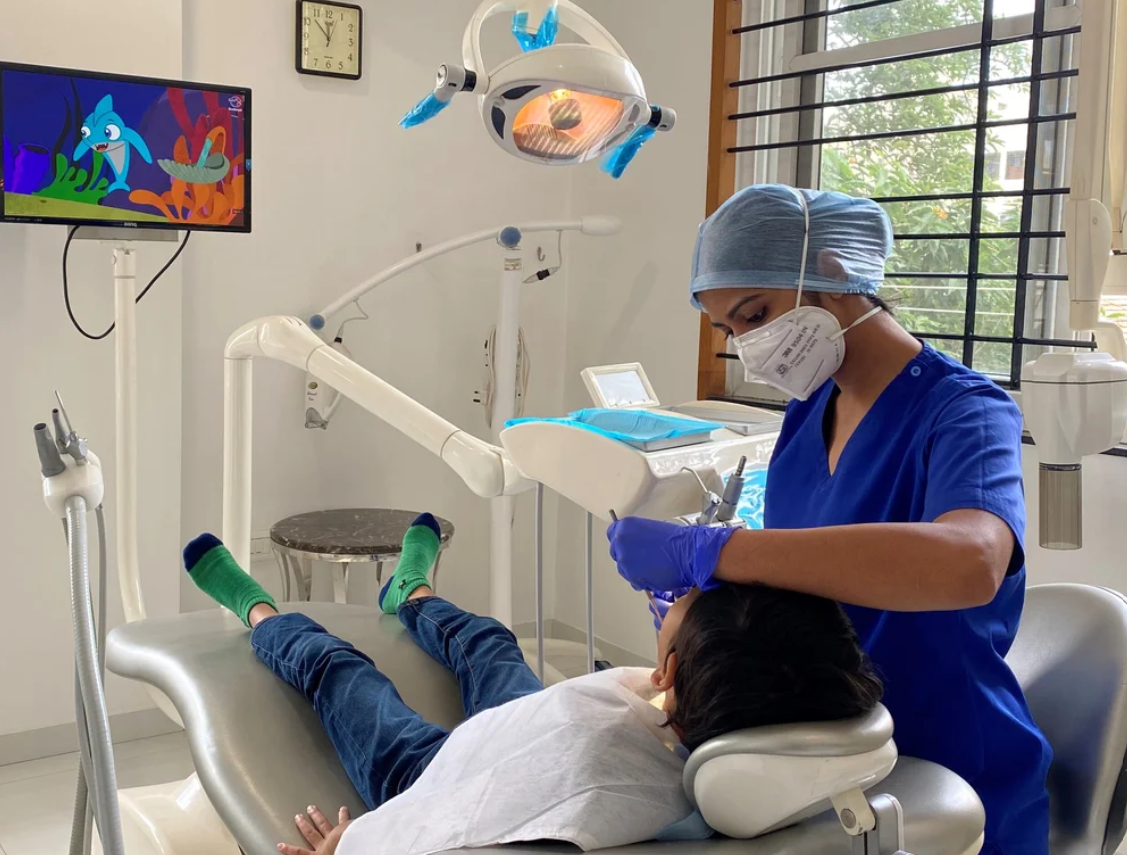
What Is Baby Bottle Tooth Decay?
Baby bottle tooth decay, also known as Early Childhood Caries (ECC), is a form of dental decay that affects infants and young children. It commonly occurs when a child’s teeth are frequently exposed to sugary liquids for prolonged periods.
These liquids may include:
Milk
Formula milk
Fruit juices
Sweetened beverages
Flavored milk
While milk is nutritious and important for a child’s growth, frequent exposure of teeth to milk sugars, especially during sleep, can lead to decay called nursing bottle caries .
How Does Tooth Decay Develop?
The mouth naturally contains bacteria. These bacteria feed on sugars present in food and drinks and produce acids as a by-product which dissolves the tooth to cause decay .
When a child sleeps with a bottle in their mouth:
Sugary liquids remain around the teeth for long periods.
Saliva production decreases during sleep.
Acids produced by bacteria attack the tooth surface.
Over time, the enamel weakens and cavities develop.
Because baby teeth are thinner and softer than permanent teeth, decay can progress very quickly.
Signs of Baby Bottle Tooth Decay
Parents should watch for:
White chalky spots near the gum line
Yellow or brown discoloration on teeth
Visible holes or cavities
Sensitivity while eating
Pain or discomfort
Swelling around the gums
Early signs are often painless, which is why regular dental check-ups are important.
Common Bottle-Feeding Habits That Increase Risk
Sleeping with a Bottle
This is the most common cause of early childhood tooth decay. Allowing a child to fall asleep while drinking milk or juice keeps sugars in contact with the teeth for hours.
Frequent Night Feeding
Repeated feeding throughout the night without cleaning the mouth can increase the risk of cavities.
Using Bottles as Comfort Objects
Children who carry bottles throughout the day tend to have prolonged sugar exposure, which promotes tooth decay.
Juice in the Bottle
Fruit juices contain natural sugars and acids that can damage teeth when consumed frequently.
How to Prevent Tooth Decay in Bottle-Fed Children
Avoid Bedtime Bottles Containing Milk or Juice
If your child needs a bottle for comfort at bedtime, offer only water.
Clean Your Child’s Mouth Daily
Even before teeth erupt, gently wipe the gums with a clean, damp cloth.
Once teeth appear, brush them twice daily using a soft toothbrush and a smear of fluoride toothpaste.
Transition to a Cup
Begin introducing a sippy cup around six months of age and aim to discontinue bottle use by 12 to 18 months.
Limit Sugary Drinks
Water and plain milk are the healthiest options. Avoid frequent consumption of juices and sweetened beverages.
Schedule Early Dental Visits
A child’s first dental visit should ideally occur by their first birthday or within six months of the eruption of the first tooth.
Why Baby Teeth Are Important
Some parents believe that cavities in baby teeth do not matter because these teeth will eventually fall out. This is a common misconception.
Healthy baby teeth are essential for:
Proper chewing and nutrition
Speech development
Guiding permanent teeth into position
Maintaining space for adult teeth
Building confidence through a healthy smile
Untreated decay can lead to pain, infection, difficulty eating, and premature loss of teeth.
Final Thoughts
Bottle feeding itself is not harmful. The problem arises when sugary liquids remain on a child’s teeth for extended periods, especially during sleep. By adopting healthy feeding habits, maintaining good oral hygiene, and scheduling regular dental check-ups, parents can greatly reduce the risk of early childhood tooth decay.
A healthy smile starts early. Protecting your child’s baby teeth today lays the foundation for strong and healthy permanent teeth tomorrow.
Need guidance about your child’s oral health? Our pediatric and family dentistry team at Dr. C. Jagadeesh Dental Clinic is here to help. Schedule a consultation and give your child the best start toward a lifetime of healthy smiles.